The Ultimate Dermatologist’s Guide to Clinical-Grade LED Light Therapy at Home
In the rapidly evolving landscape of aesthetic dermatology, LED (Light Emitting Diode) light therapy has transitioned from an exclusive, high-cost clinical-grade treatment to a cornerstone of the modern at-home skincare regimen. However, as the market becomes flooded with glowing masks and wands, a massive gap has emerged between cosmetic consumer gadgets and true clinical-grade medical devices.
If you are investing time and resources into LED light therapy, simply turning on a device is not enough. Achieving transformative, real-world results—visibly reducing wrinkles, clearing persistent acne, fading hyperpigmentation, and restoring a youthful glow—requires a foundational understanding of photobiomodulation. It also demands precise synergy between specific light wavelengths and highly targeted skincare formulations.
Whether you are battling photoaging, managing adult hormonal acne, or seeking to undo the environmental damage caused by living in a high-UV, humid climate like Singapore, this comprehensive masterclass will illuminate the exact science and protocols needed to supercharge your skin regeneration.
Understanding Photobiomodulation: How LED Therapy Works at the Cellular Level
To understand why LED light therapy is so revered by dermatologists, we must first look past the surface of the skin and delve into the cellular level. LED therapy is built on the medical science of photobiomodulation (PBM).
Unlike traditional laser treatments or intense pulsed light (IPL) that rely on controlled thermal damage (heat) to trigger a wound-healing response, PBM is completely non-thermal and non-invasive. It does not carry the risks of DNA damage associated with ultraviolet (UV) light, nor does it require any clinical downtime.
The Mitochondrial Switch
The magic of LED therapy happens within the mitochondria, often referred to as the powerhouses of your cells. Within the mitochondria lies a light-sensitive enzyme called cytochrome c oxidase. When specific, clinically proven wavelengths of light penetrate the skin, they are absorbed by these cellular chromophores.
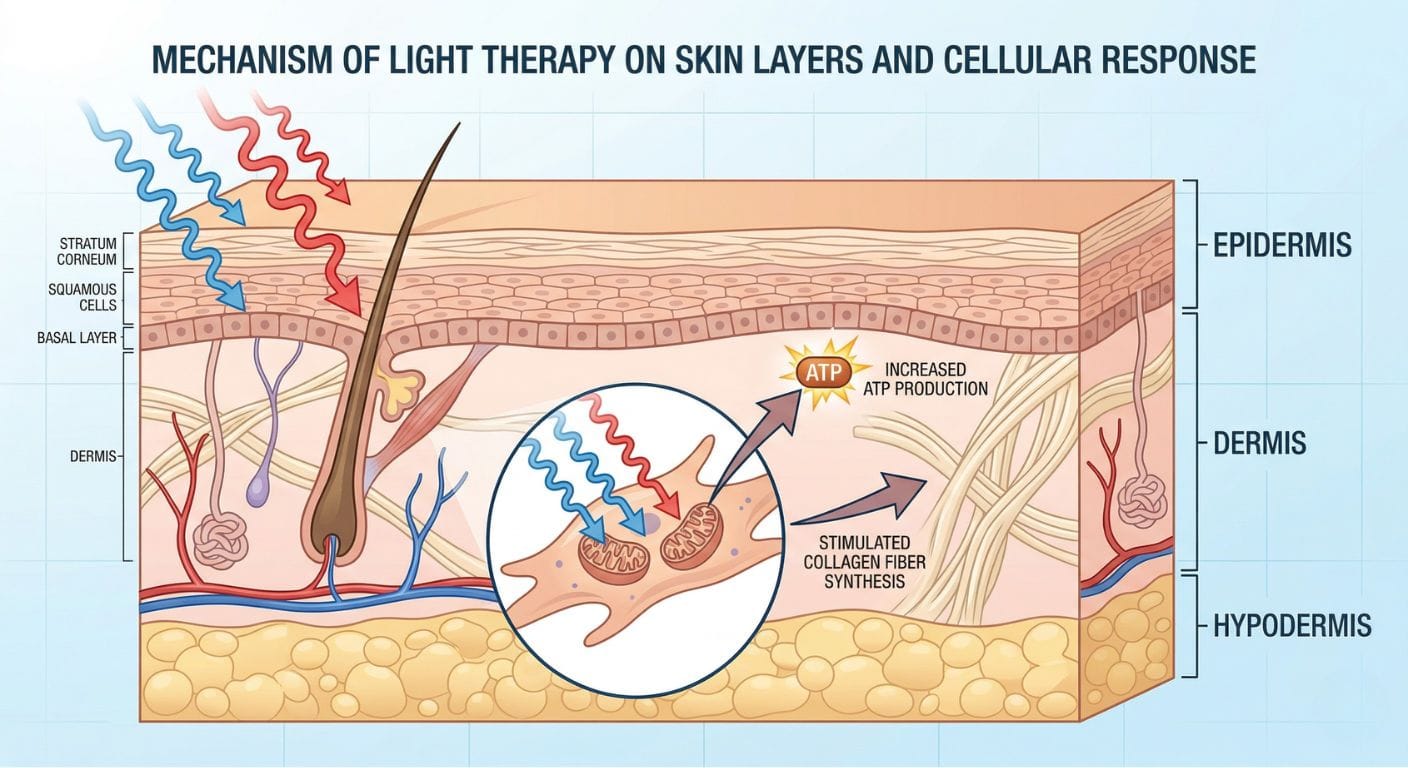
This absorption acts like a biological switch. It accelerates the electron transport chain, resulting in a massive surge in the production of Adenosine Triphosphate (ATP)—the primary energy currency of the cell.
When your skin cells are flush with ATP, their metabolism is optimized. Fibroblasts (the cells responsible for producing collagen and elastin) go into overdrive. Inflammatory cytokines are down-regulated, and local microcirculation increases, bringing fresh oxygen and nutrients to the tissue. You are essentially waking up your skin’s natural regenerative capabilities, allowing it to repair itself at an exponentially faster rate.
The Quad-Spectrum Revolution: Beyond Single-Color LED
For years, standard at-home LED masks forced consumers to make a frustrating compromise: choose Blue light to treat your acne, or choose Red light to treat your wrinkles. The future of dermatological devices, however, lies in Quad-Spectrum Therapy—a holistic, multi-wavelength approach that addresses the complex, multi-layered nature of human skin.
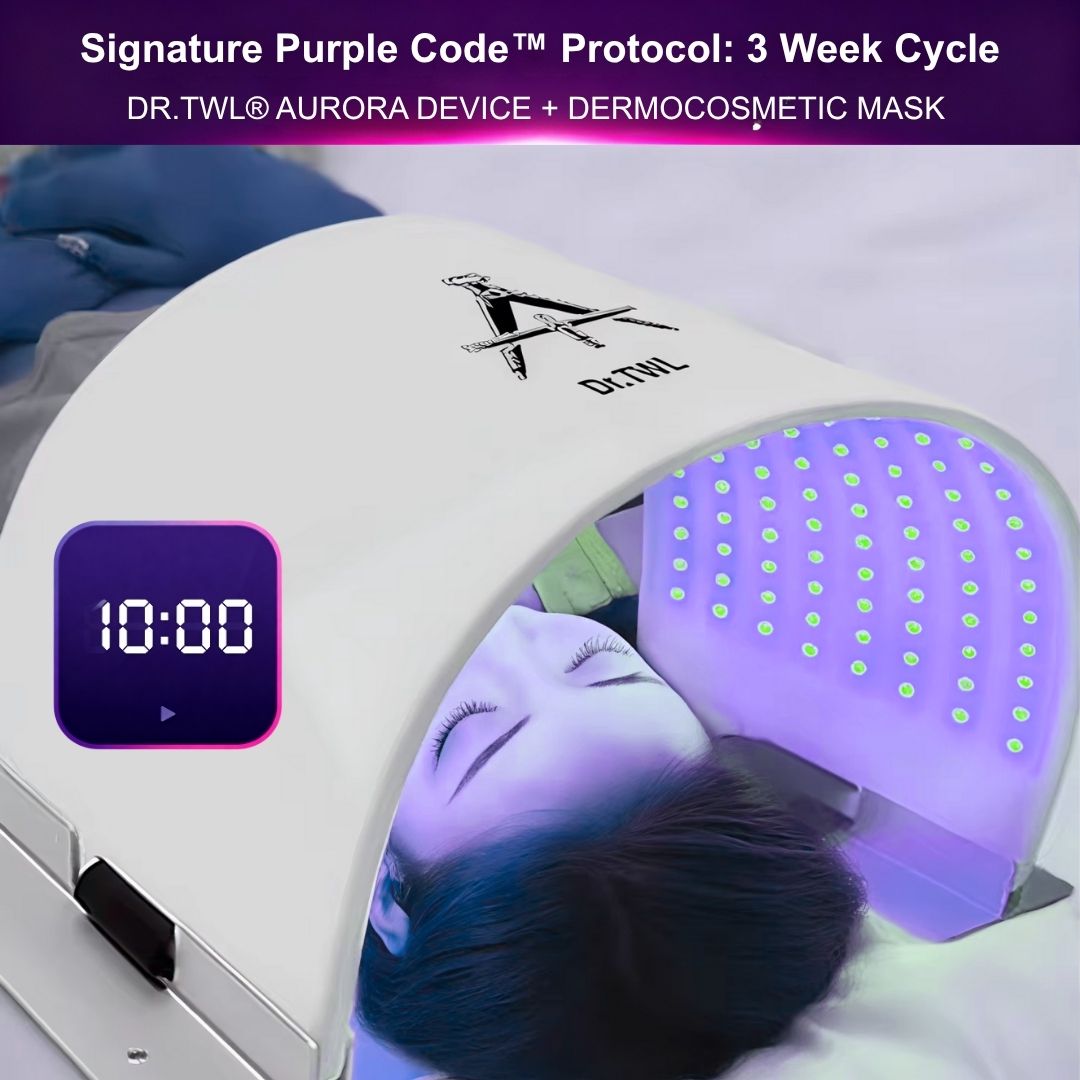
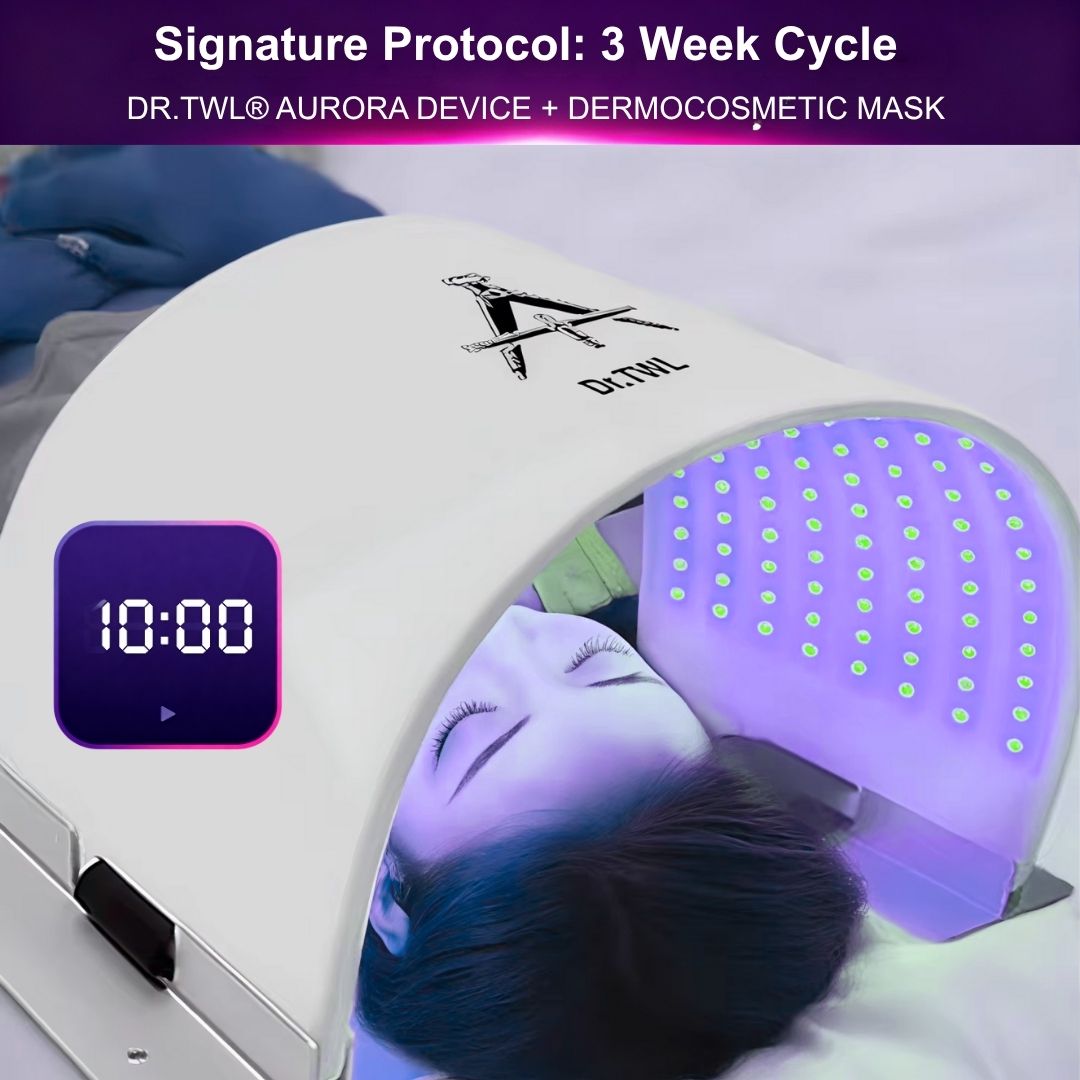
Leading clinical-grade LED home systems, such as the Aurora flexible panel powered by proprietary technologies like the Signature Purple Code™, synthesize four distinct wavelengths to deliver comprehensive rejuvenation.
1. Red Light (633nm): The Anti-Aging Dynamo
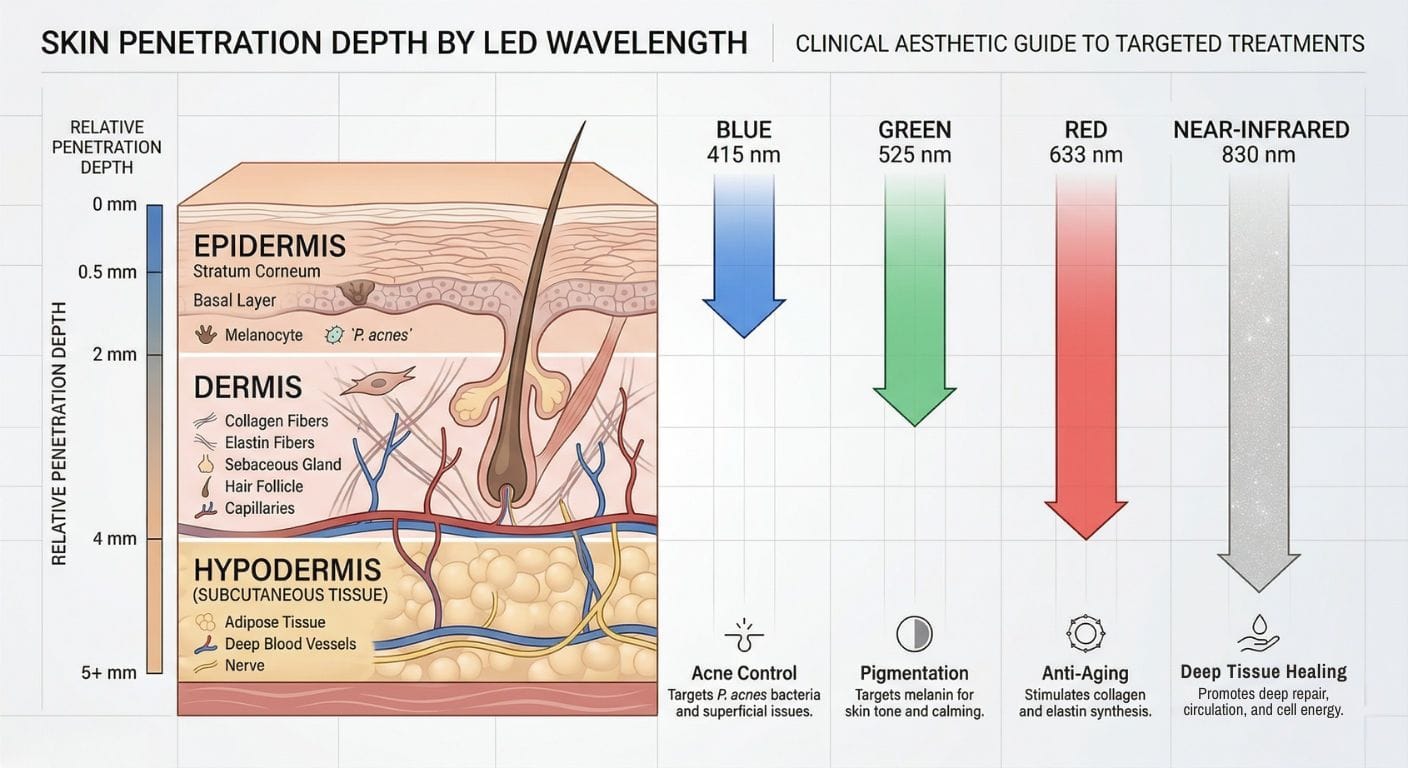
Red light penetrates deep into the dermis, straight to the fibroblast cells. By energizing these cells, red light therapy significantly boosts the synthesis of Type I collagen and elastin. Clinical studies and meta-analyses have shown that consistent use of 633nm red light over 12 weeks can lead to a 20% to 30% improvement in wrinkle depth, enhanced skin firmness, and a noticeable reduction in baseline erythema (redness).
2. Near-Infrared Light (830nm): The Deep Healer
Near-Infrared (NIR) light is invisible to the naked eye but penetrates deeper than any visible color—reaching the subcutaneous layers, muscles, and even bone. NIR is the ultimate anti-inflammatory wavelength. It is highly effective at accelerating wound healing, reducing chronic inflammation, and calming conditions like rosacea. Furthermore, NIR is proving to be a breakthrough in trichology; when applied to the scalp, it stimulates hair follicles, increasing hair density by 20-35% in cases of androgenetic alopecia.
3. Blue Light (415nm): The Blemish Purifier
Blue light remains the FDA-approved gold standard for non-chemical acne treatment. It works via a photodynamic reaction. The bacteria responsible for acne outbreaks, Cutibacterium acnes, produce light-sensitive compounds known as porphyrins. When 415nm blue light hits these porphyrins, it creates highly reactive oxygen species that safely neutralize the bacteria from the inside out. This drastically reduces active inflammatory lesions without the harsh, skin-barrier-destroying side effects of oral antibiotics or high-strength benzoyl peroxide.
4. Green Light (525nm): The Tone Perfector
Often overlooked but incredibly powerful, green light targets the skin’s melanocytes (pigment-producing cells). It inhibits the overproduction of melanin and helps break down existing pigment clusters, gradually fading sunspots, post-inflammatory hyperpigmentation (PIH), and melasma.
The Power of the Purple Code™
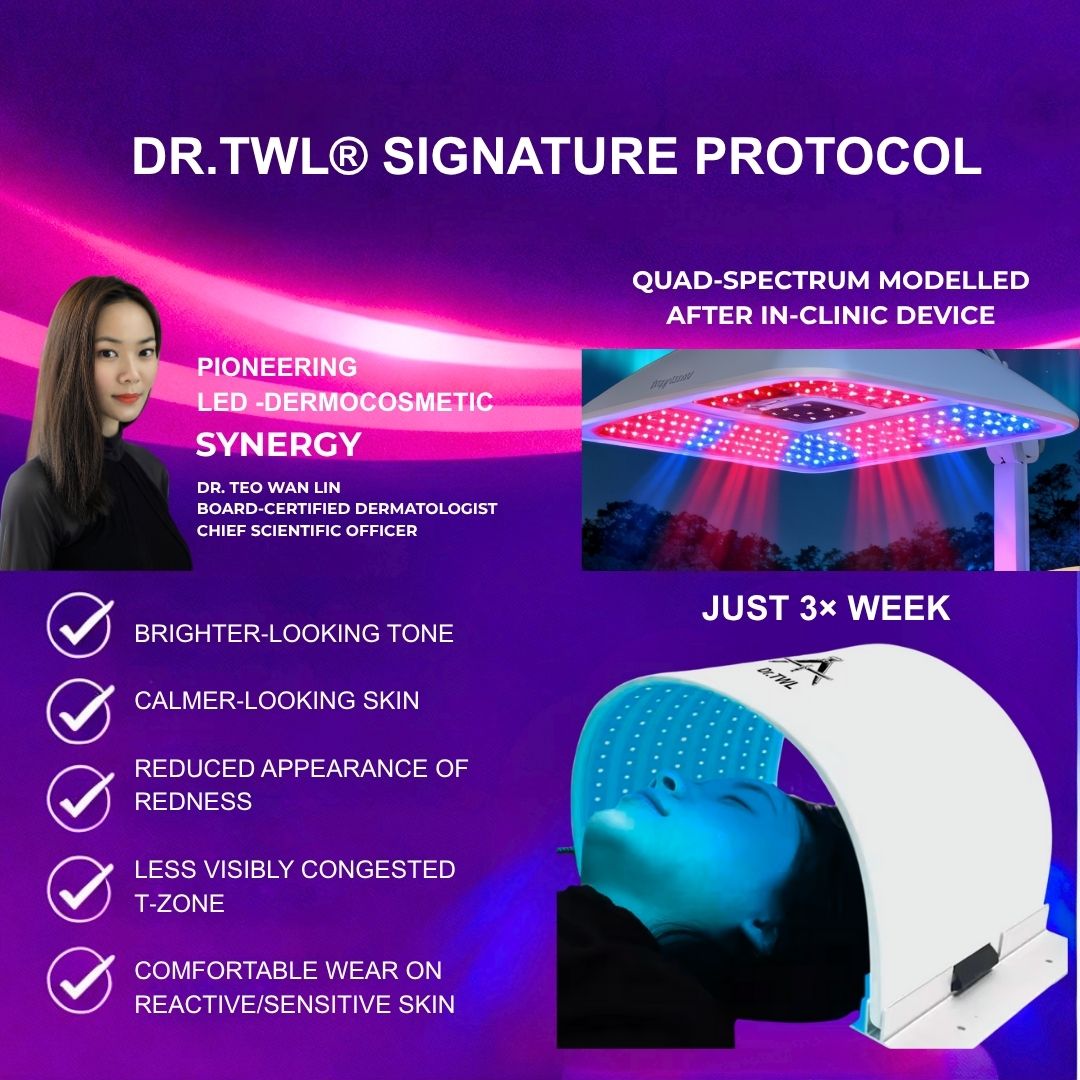
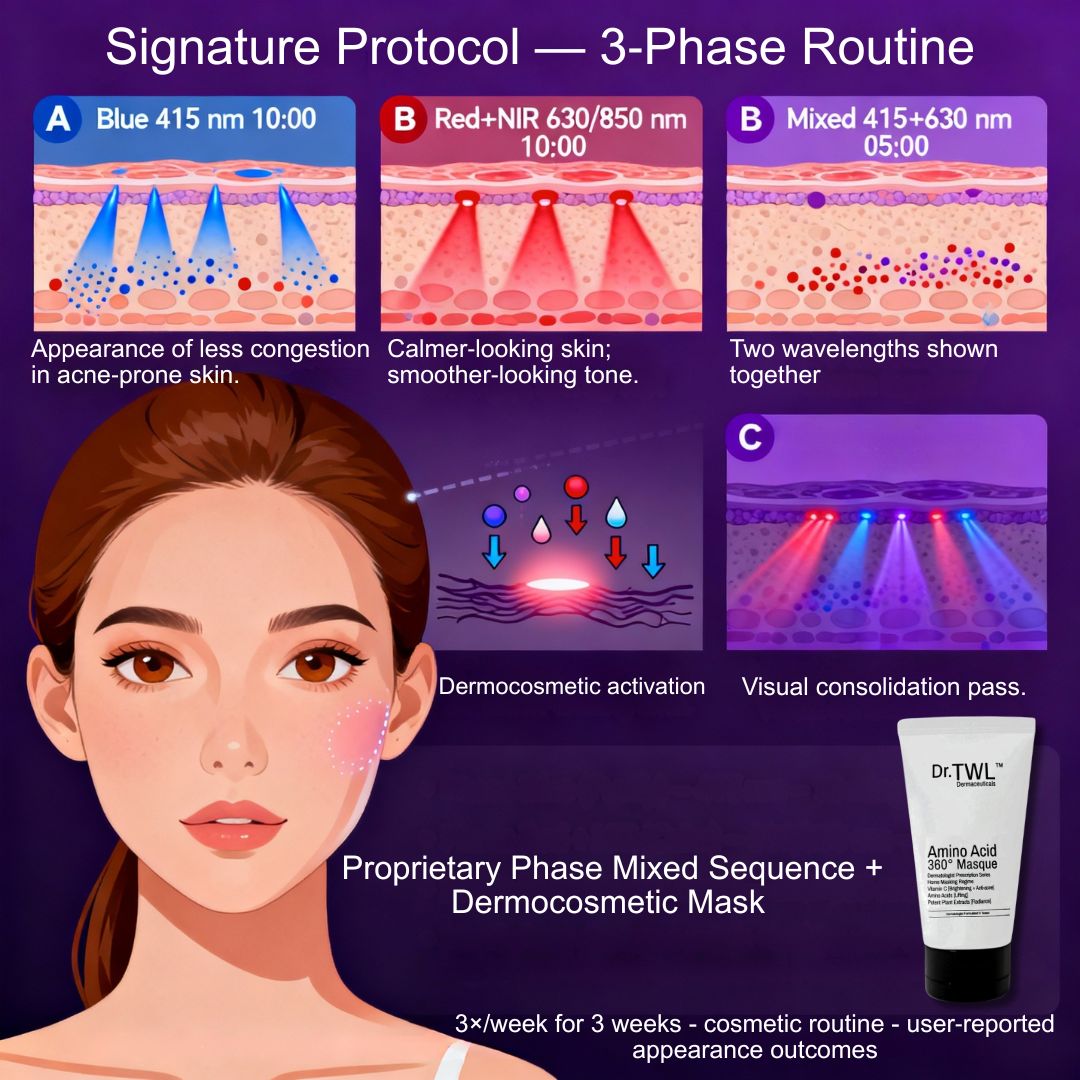
Advanced clinical-grade LED systems utilize a “Purple Code”—a validated sequence that delivers deep-penetrating Red/NIR light simultaneously with high-intensity Blue light. This creates a simultaneous “clear and firm” effect. The blue light purifies the surface, while the red light heals the residual inflammation and prevents indented acne scarring from forming in the deeper dermis.
Synergistic Skincare: What to Apply Before and After Clinical-Grade LED Therapy
A high-quality LED device is only 50% of the equation. The true secret to clinical-grade LED results is cutaneous pharmacokinetics—the science of how topical ingredients interact with light energy. Dermatologists refer to this as synergistic phototherapy or the “1+1=3” effect.
Many users unknowingly sabotage their results by applying the wrong skincare before their light session, or worse, applying nothing at all. Giving your cells a massive ATP energy boost without providing them with the necessary molecular building blocks is like revving a car engine with an empty fuel tank.
The Physics of Light Absorption: Why Hydration is Mandatory
Light travels differently through different mediums. If your skin is dehydrated, the surface of the stratum corneum becomes rough, flaky, and uneven. When LED photons hit this rough surface, they scatter and refract away from the skin, drastically reducing the amount of therapeutic light that reaches the target depth.
Conversely, plump, deeply hydrated skin provides a uniform, translucent medium that allows for optimal light absorption.
Ingredients to Avoid BEFORE LED Therapy
Certain topical ingredients will either block light penetration or cause severe adverse reactions when exposed to intense light energy. Never apply the following immediately before a session:
- Retinoids (Retinol, Tretinoin, Adapalene): These are photosensitizers. Using them before light therapy can trigger irritation, redness, and compromise the skin barrier. Always reserve retinoids for your post-treatment nighttime routine.
- High-Strength Chemical Exfoliants (AHAs/BHAs): Strong glycolic or salicylic acid peels strip the protective outer layer of the skin. Exposing freshly peeled, raw skin to light energy (especially slightly drying blue light) can induce severe stinging and thermal stress.
- Heavy Occlusives and Oils: Thick creams containing petrolatum, mineral oil, or rich plant oils create a physical, reflective barrier on the skin’s surface. They act like a mirror, bouncing the therapeutic LED photons right back into the air.
- Sunscreen: Chemical and physical UV filters are literally designed to block light. Using an LED device over sunscreen is entirely futile.
A Dermatologist’s Step-by-Step At-Home Clinical-Grade LED Protocol
To supercharge your cellular response and ensure every single photon is utilized, follow this clinical-grade, step-by-step LED protocol.
The PM Repair & Regenerate Protocol
The evening is the optimal time for LED therapy, as it aligns with the skin’s natural circadian rhythm of repair.
Step 1: The Pre-Treatment Prime (Purification & Hydration)
- Double Cleanse: Start with a gentle oil cleanser to melt away sunscreen and pollution, followed by a sulfate-free, pH-balanced foaming wash (such as a medical-grade honey cleanser with natural antimicrobial properties). Your skin must be perfectly naked.
- Apply a Conductive Hydrating Serum: Apply a generous layer of multi-molecular weight Hyaluronic Acid or a specialized LED-conductive essence. This water-based hydration coats the skin, plumps the cells, and acts as a clear conduit for the light photons, ensuring zero light scattering.
Step 2: The LED Session
- Position your clinical-grade LED device (ensuring it is FDA 510(k) cleared with medical-grade silicone for optimal hygiene and safety).
- Engage the Quad-Spectrum or Purple Code mode for 15 to 20 minutes. Relax and allow the non-thermal energy to flood your dermal layers.
Step 3: The Post-Treatment Powerhouse (Active Stacking)
Your skin is now in a state of heightened cellular activity. Local microcirculation is elevated, and the stratum corneum’s permeability is transiently increased, meaning whatever you apply now will penetrate deeper and work harder.
- Antioxidant Infusion: Apply a serum rich in Vitamin C (preferably stabilised eg Sodium Ascorbyl Phosphate), Niacinamide, or Green Tea Polyphenols (EGCG). Vitamin C is an essential direct cofactor in collagen synthesis—pairing it with red light creates a massive boost in structural skin proteins.
- Cellular Communicators: Now is the time to apply your Amino Acids / Peptides, Growth Factors, or your nightly Retinoid. The skin cells have the ATP energy required to metabolize these potent actives effectively.
- Barrier Seal: Finish with a ceramide-rich moisturizer to lock in the actives and support the skin barrier overnight.
Adapting Your Clinical-Grade LED Routine for Singapore’s Tropical Climate
Adapting your LED and skincare protocol to your specific geographical climate is a critical, yet frequently ignored, aspect of dermatology. For individuals living in tropical, high-humidity environments like Singapore, standard Western skincare protocols often fail.
Beating the Heat and Humidity
In Singapore, the combination of year-round high temperatures and immense humidity means that the skin’s sebum production is perpetually stimulated. Layering multiple heavy creams and occlusives—as often recommended in temperate climates—is a fast track to clogged pores, milia, and acne mechanica.
When combining skincare with LED therapy in a tropical climate, the focus must shift to lightweight, water-based hydration and powerful environmental defense.
- Humid-Climate Pre-Treatment: Instead of thick essences, opt for ultra-lightweight, purely liquid Hyaluronic Acid or Polyglutamic Acid serums. The natural humidity in the Singaporean air will bind to these humectants, plumping the skin perfectly for LED penetration without suffocating the pores.
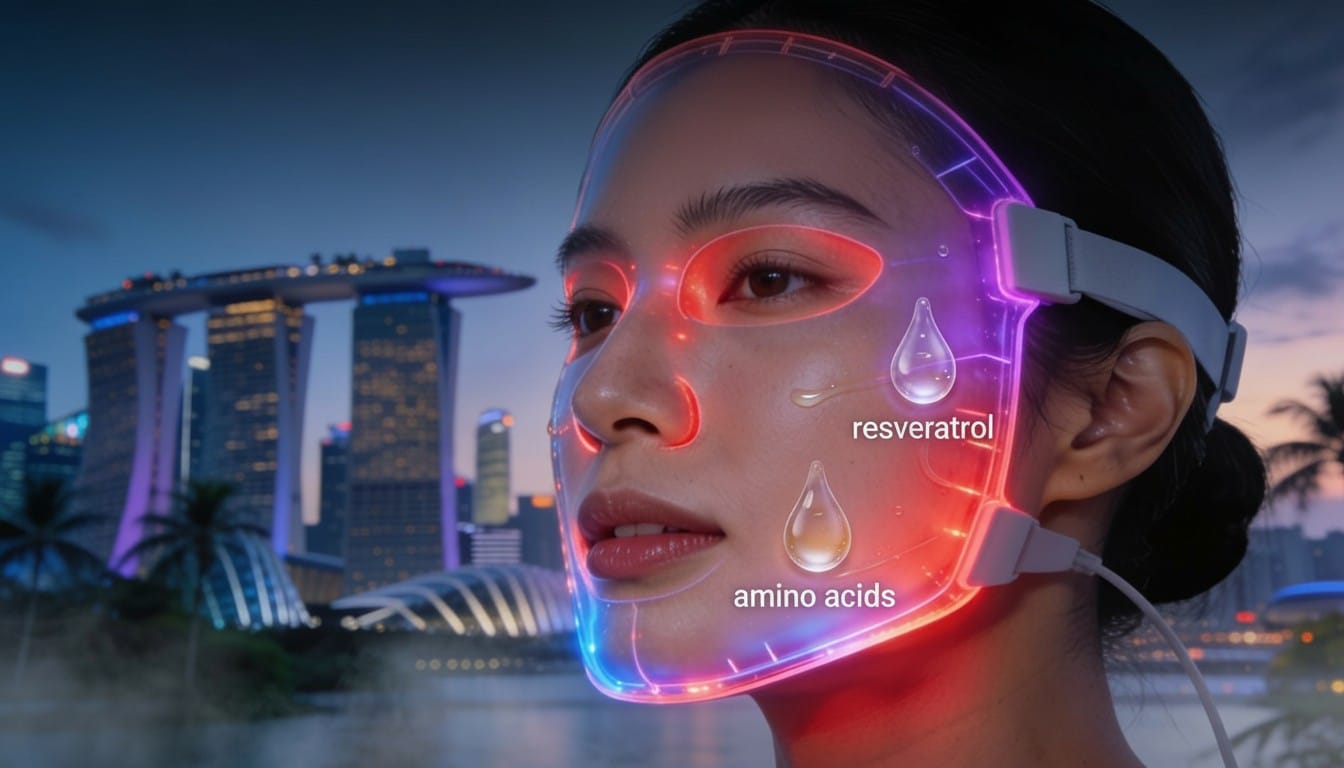
- Combating Tropical Oxidative Stress: Living near the equator exposes the skin to extreme daily UV indexes. This UV radiation generates free radicals that destroy collagen. By utilizing Red and Green LED Light Therapy 3 to 4 times a week, you can actively reverse this daily UV-induced oxidative stress. Pairing your morning Red Light session with a potent antioxidant cocktail (like Resveratrol and Sodium Ascorbyl Phosphate) provides an invisible biological shield against the harsh equatorial sun.
Beyond the Face: Scalp Rejuvenation and Advanced Applications
The benefits of quad-spectrum photobiomodulation extend far beyond facial aesthetics. One of the most exciting frontiers in LED therapy is its application in trichology—the science of the hair and scalp.
High-end, flexible LED panels (like the Aurora System) are designed to arch into a canopy over the crown of the head. By delivering Near-Infrared (830nm) and Red (633nm) light directly to the hair follicles, the therapy increases local blood flow to the scalp, reduces follicular inflammation, and extends the anagen (growth) phase of the hair cycle. For individuals dealing with thinning hair, stress-induced shedding, or early-stage androgenetic alopecia, integrating a 20-minute scalp LED session into your weekly routine can yield profound improvements in hair density and structural integrity over a 16-week period.
How to Choose a True Clinical-Grade LED Device
The efficacy of your treatment is entirely dependent on the quality of your device. Do not be swayed by clever marketing or cheap, rigid plastic masks. When selecting an LED device, a dermatologist will look for three non-negotiable specifications:
- FDA 510(k) Lineage: This certification means the device has been rigorously tested and proven to be substantially equivalent to the massive, highly expensive LED panels used in medical clinics. It guarantees safety, predictable output, and real-world results.
- Appropriate Irradiance and Fluence: Irradiance is the power of the light (measured in mW/cm²). If the irradiance is too low, the light will not possess the physical energy required to reach the target cells in the dermis. Look for devices that offer an irradiance between 20 to 60 mW/cm².
- Medical-Grade Materials: The device should be constructed from ISO-certified, biocompatible medical-grade silicone. Not only does this allow the mask to sit flush against the skin (minimizing light loss), but it ensures the material will not harbor acne-causing bacteria or trigger contact dermatitis.
Conclusion
LED light therapy is not a fleeting beauty trend; it is a scientifically validated, dermatological powerhouse. By understanding the intricate mechanisms of photobiomodulation, upgrading to quad-spectrum technologies, and meticulously pairing your light sessions with synergistic skincare, you can unlock the full regenerative potential of your skin.
Whether you are seeking to turn back the clock on photoaging, banish persistent breakouts, or optimize your skin’s resilience against harsh tropical climates, clinical-grade LED therapy puts the power of a dermatologist’s clinic directly into your hands.
Frequently Asked Questions (Clinical Guide)
Q: How often should I use my LED light therapy device?
A: For optimal clinical results, dermatologists recommend using the device 3 to 5 times per week. Consistency is key. Because PBM is a cumulative therapy, visible structural changes (like collagen gains) typically take 8 to 12 weeks of sustained use.
Q: Can LED light therapy cause hyperpigmentation or darken my skin?
A: No. Unlike UV light, which triggers melanin production and damages DNA, the visible and near-infrared wavelengths used in clinical-grade LED devices do not cause hyperpigmentation. In fact, Green light (525nm) is specifically utilized to break down excess melanin and fade existing dark spots.
Q: Do I need to wear protective goggles during my session?
A: While LED therapy does not emit damaging UV rays, the intense brightness of clinical-grade LED diodes can be uncomfortable for the eyes. High-quality devices are engineered to be safe for ocular exposure, but using built-in eye shields or closing your eyes during the session is recommended for maximum comfort.
Q: Is it safe to use LED therapy after clinical treatments like microneedling or chemical peels?
A: Yes, and it is highly recommended! Utilizing Red and Near-Infrared light immediately following a micro-injury treatment like microneedling dramatically accelerates the wound-healing cascade, reduces post-procedural erythema (redness), and lowers the risk of post-inflammatory hyperpigmentation.
AUTHOR
By www.drtwlderma.com editorial team. Medically reviewed by Dr Teo Wan Lin — Dermatologist; Founder & Medical Director, Dr.TWL Asian Skin Research Institute; Chief Scientific Officer, Dr.TWL Dermaceuticals — SAB‑accredited dermatologist in Singapore with clinical and research focus on tropical‑climate skincare, acne, pigmentation, and psychodermatology; published in peer‑reviewed journals and quoted in international media.
Clinical interests: acne, pigmentary disorders, eczema, mask‑related dermatoses, and climate‑specific adherence.
Experience: 10+ years in dermatology practice, clinical trials, and patient education.
Credentials: MBBS; MRCS (UK); Accredited Dermatologist, Specialist Accreditation Board (SAB), Singapore (Dermatology).
Professional roles: Founder & Medical Director, Dr.TWL Asian Skin Research Institute; Chief Scientific Officer, Dr.TWL Dermaceuticals.
Affiliations:
- Dr.TWL Asian Skin Research Institute — Dermatology research and education hub focused on climate‑aware routines for Asia.
- Dr.TWL Dermaceuticals — Dermatology R&D and formulation entity; Chief Scientific Officer (science and product development leadership).
Profiles: ORCID | LinkedIn | Author Profile Page
Medically reviewed by Dr Teo Wan Lin, Dermatologist (SAB‑Accredited). Reviewed on 2026‑03‑30; last updated on 2026‑03‑30.
Disclaimer
Educational content only: This page provides general dermatology education and does not constitute individualized medical advice, diagnosis, or treatment; never ignore professional advice or delay seeking it because of this content; for personal care, consult a licensed dermatologist.



Leave a Reply
Want to join the discussion?Feel free to contribute!